
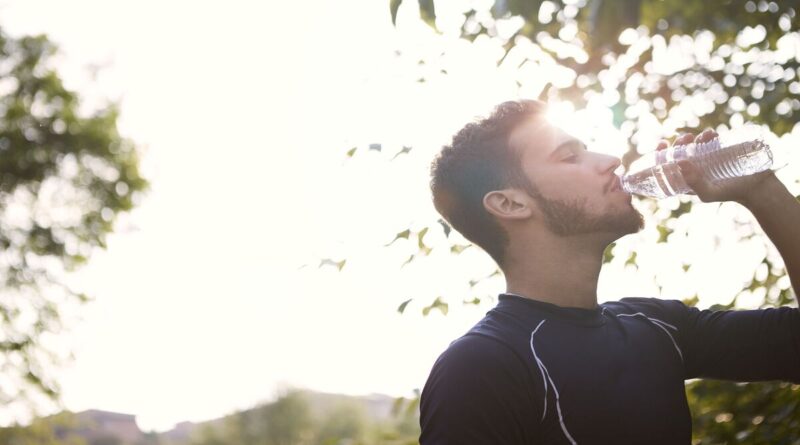
15 Warning Signs Your Body Needs More Water
Does Your Body Needs More Water? Did you know your body is made up of about sixty per cent water? Many of us buy health supplements to boost immunity because we are always tired. Yet, we try to reduce stress without realizing we might just be incredibly thirsty. Your body actually has an alarm warning you when the internal tank gets low. Sometimes, the best answer is just simple tap water.
The Visible Indicators
You can often spot the problem right on the surface before you feel it anywhere else.
- Dark Urine: Look into the toilet bowl and check out the color of the liquid. The ideal scenario would be a light yellow one. If it turns dark brown or even amber, then your body is probably asking you for fluids.
- Flaky Skin: The skin tends to lose all of its elasticity whenever there is a shortage of fluids in the body. You could possibly feel very tight and stiff in your face after you wake up in the morning.
- Dry Mouth and Bad Breath: We often blame onions or garlic. However, saliva production is greatly decreased in a person who lacks enough fluids in his/her body. This allows bacteria to thrive, creating an unpleasant odor inside a person’s mouth.
- Dry Eyes: There is always something wrong with your eyes – whether this something involves irritation or even dryness. The reason is very simple since small tear glands in the eye stop producing enough moisture due to a lack of fluids.
Cognitive and Energy Drops
A lack of water quietly shifts how you think and feel on the inside.
- Persistent headaches: We all know that sudden pounding feeling. It seems a lack of fluids might actually cause the brain to shrink slightly and pull away from the skull. This creates a throbbing pain that just will not quit. Drink up.
- Fatigue and lethargy: You feel totally drained. Blood circulation seems to slow to an absolute crawl when you get severely dehydrated. With less oxygen reaching your vital organs you might end up always tired and genuinely struggling to just stay awake through a boring afternoon.
- Brain fog and poor concentration: Focus disappears. Just a tiny drop in your daily water intake can completely ruin your ability to concentrate on work. Simple tasks start to feel massive.
- Dizziness or light headedness: Sometimes you stand up and the room spins. Low fluid volume can trigger a sudden drop in your blood pressure. That might explain why you experience a weird wave of unsteadiness when getting out of a chair a bit too fast.
Digestive and Dietary Cues
Your stomach relies entirely on fluids to keep the whole operation moving forward.
- Constipation: Nobody likes to talk about it. Your colon will start desperately pulling moisture from waste if you do not give it enough water. This causes an uncomfortable backup.
- Sudden hunger or sugar cravings: You feel famished. Those intense cravings for sweets might just mean your glass has been empty for too long. Our brains seem incredibly prone to confusing the feeling of being thirsty with being hungry.
- Heartburn: The burning chest pain is awful. Water actually helps dilute harsh stomach acid and supports the fragile protective lining of your gut. Simply getting enough to drink is perhaps one of the best ways to reduce stress naturally in your digestive system and keep that annoying burning feeling far away.
Muscular and Systemic Issues
Deeper physical problems start creeping in when hydration takes a back seat for too long.
- Muscle cramps: Sweat steals your fluids. You lose vital electrolytes when you work out hard or just sit in the hot sun. This lack of moisture can make your leg muscles suddenly seize up and cramp painfully in the middle of the day.
- Joint pain: Your body is a machine. Cartilage happens to be roughly eighty per cent water. Less water naturally means a lot more friction between your bones so you might start feeling strangely stiff or uncomfortable.
- Decreased urination: Count your bathroom trips. If you find yourself going fewer than four times a day it probably means your body is terrified and conserving what little water it has left.
- Rapid heartbeat: Your heart beats so fast. Blood actually gets thicker and carries far less oxygen when you neglect your water intake. The heart muscle suddenly has to pump much harder and much faster just to keep you alive and functioning.
Conclusion
Drinking enough water is the absolute easiest way to keep symptoms away. Carry a reusable bottle as a visual reminder. Eating snacks like watermelon or setting a phone timer helps too. Do not wait until parched. Go grab water now. Comment below sharing your favorite ways to stay hydrated today.